
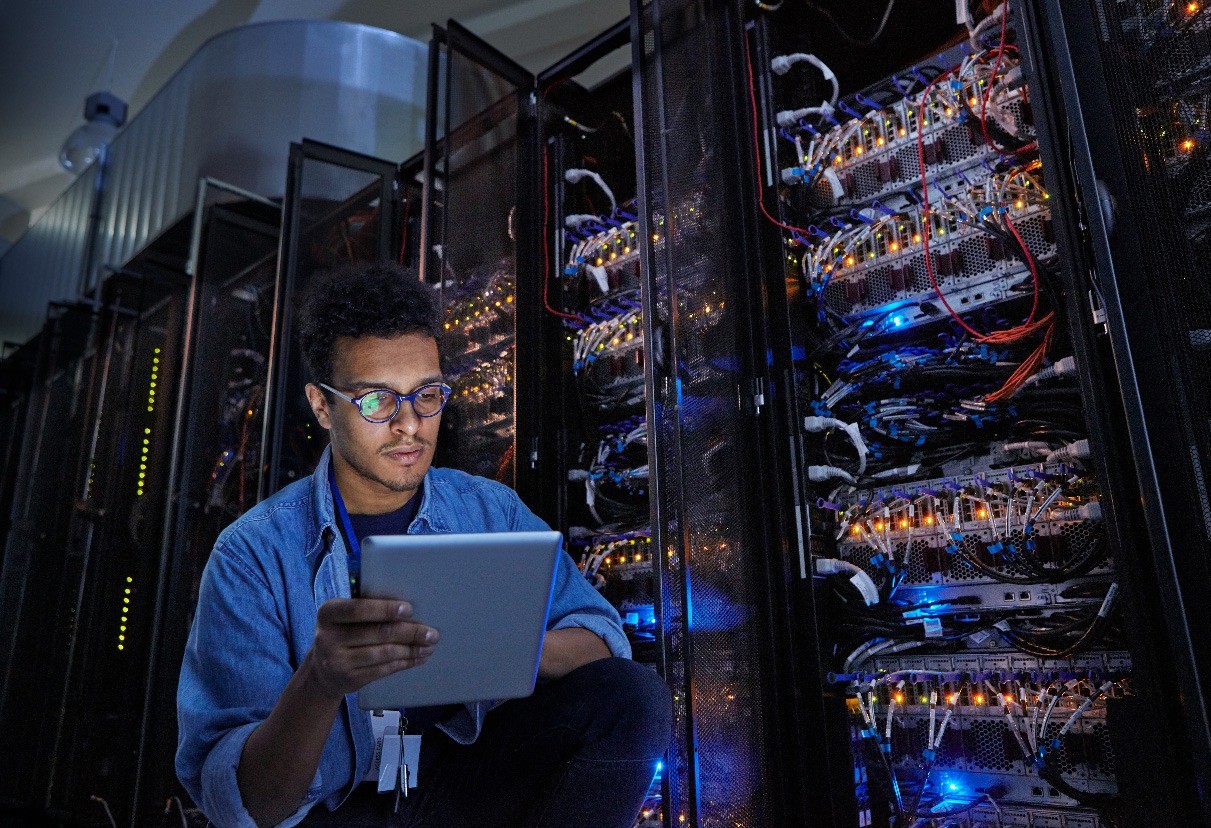
A Data Center or DC is a physical place where information processing takes place. DCs are made up of servers, databases, and networking and telecommunications technology that are broadly compiled from specific software and programs that manage digital information.
A data center is designed to protect exactly what its name stands for: data, provide security, more control over data, and a customizable infrastructure according to business needs. For a data center to be considered a success, in addition to the project infrastructure requirements that the servers will support, one of the most important things are reliable technologies and maintenance. Data centers require an uninterruptible power supply to support vital operations, which includes storing all types of valuable data, such as private or confidential documents, company projects or web hosting of various websites.
Any error or failure in the Data Center could cause valuable information to be lost or leaked, or the websites that use it to crash. Therefore, reliable technology and proper data center maintenance are essential.
What are the data center risks?
As with any other infrastructure, it is important to plan a risk management strategy to prepare for any possible accidents in the DC and, of course, to avoid them in the first place. When that infrastructure holds private, valuable and critical data, there is a lot at stake. According to The Forecast written by Nuntanix , some of the risks facing data centers are:
- Geographical. As with any building, location plays a key role for data centers, as they can be affected by natural disasters such as heat waves, earthquakes, floods and hurricanes. Some countries and regions are more prone to specific types of risky natural phenomena, so depending on the location of a DC, needs will vary greatly. Man-made constructions are also a factor that is taken into account.
- Water. Water is used in some refrigeration systems, particularly those for cooling computing elements, but water is a big risk factor because even the smallest amount, if leaked, can cause irreversible damage to components. Keeping refrigeration and other water-using systems under control and ensuring that water cannot enter the building is a necessity.
- Power failure. A power failure can be fatal, information and data can be lost if the power supply is interrupted, so it is common for dual power supplies and backup generators to be deployed to avoid such catastrophes and provide uninterrupted power.
- Acoustics. Hard disks are highly susceptible to vibration, as constant high-frequency vibrations interfere with and can compromise the reliability of the storage system, meaning data can be lost. To avoid this, sound insulation and acoustic suppression technologies are adopted to protect indoor spaces from external noise and vibration.
- Heat and fire. Data centers are a major fire hazard because servers and other hardware components tend to emit large amounts of heat while operating non-stop. They are prone to power surges that can cause fires. Minimizing the risk of heat and power surges protects valuable equipment, which is why air conditioning systems and advanced smoke detectors are present in all data centers. By best avoiding conditions that increase heat-related risks, unsurprisingly, countries with colder climates are popular for building data centers.
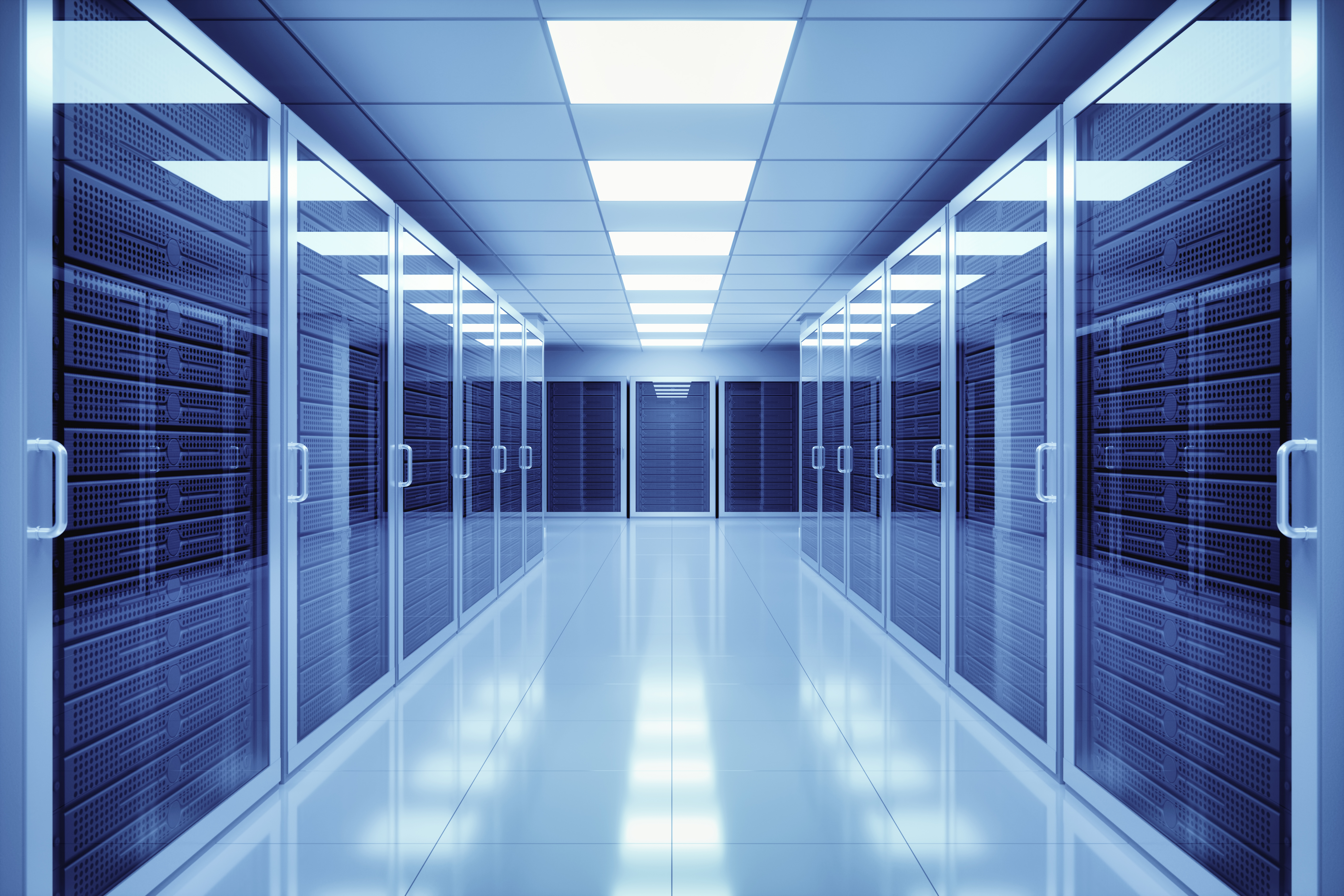
Problems bad cooling in a data center could cause
Everything that makes up a data center (servers and infrastructure) generates heat and consumes energy. Heat can be considered a common enemy of data centers worldwide. Overheating peripherals, processors or any other component could lead to system failure and data loss. The main challenge of any data center is to save energy while keeping the equipment at the right temperature.
A report by the International Energy Agency (IEA) points out that 1% of the world’s energy consumption comes from the expansion of data centers and data transmission networks. Globally, efforts are being made to minimize this energy consumption, or at the very least to make the source of that energy more environmentally friendly. However, as Internet users and traffic grow, and as advances continue to evolve, a combined effort from government and industry is needed for constant optimization. Therefore, saving energy by keeping equipment at an appropriate and constant temperature is one of the biggest challenges for data centers.
HVAC equipment and data centers
As you probably guessed from the previous paragraphs, one of the key factors to avoid heat-related problems in a data center is to have a highly efficient ventilation and air conditioning system. Well-designed HVAC systems can benefit data centers in many ways: keeping servers cool, improving airflow between corridors, insulating hot air from servers, keeping humidity at the right level… All this will lead to less data center downtime and more.
There are many ways in which this is achieved by HVAC equipment, some solutions can be quite energy-intensive or costly, which is why thorough research into cost-effective and sustainable energy-saving options is crucial. Using efficient systems directly improves server operation by reducing heat emissions and minimizing excess heat build-up.
Effective solutions for perfect expert cooling
There are several ways to maintain a cool data center environment sustainably and economically. Here are some of the most common ones:
1. ENERGY EFFICIENT ELEMENTS
Using energy-efficient computing elements in infrastructure will not only save electricity consumption, but the system will also generate less heat, so less energy is needed to cool the environment, reducing the chances of overheating.
2. WARM COLOR AND RACE
Using the proper server placement technique, taking advantage of the natural airflow in these devices (which removes heat from the back) is an interesting method. “By arranging the equipment in an alternating aisle pattern with one cold air intake and the next with a warm air exhaust, you can achieve a more uniform air temperature throughout the server room” and maintain temperature more efficiently.
3. HOT SPOTS
In addition to the strategic positioning of servers, it is necessary to identify hot spots that may exist in the Data Center in order to modify the airflow and lower the heat level in those areas. It is also possible to apply intelligent speed controls in equipment ventilation in these cases.
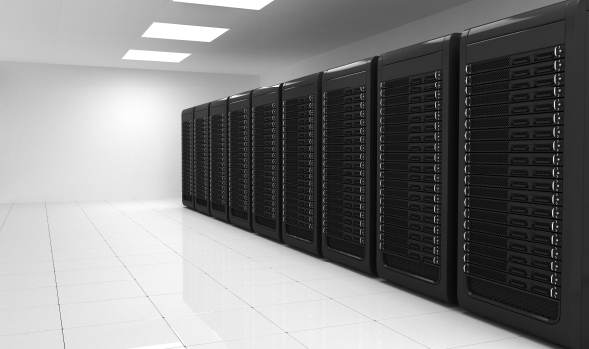
Other factors that play a role in data center efficiency
- Materials used for construction. Using green materials to build infrastructure reduces emissions. Using not only recycled or reused building materials, but also incorporating green roofs and shades that bring in sunlight will have a passive cooling effect.
- Selected servers. Not all servers consume the same amount of energy, choosing those that have built-in features for energy efficiency is extremely beneficial; such features include: standby mode, low power chips, solid state hard disks… Also, incorporating renewable energy is strongly recommended wherever possible, be it through solar panels, windmills or geothermal energy.

